Guides  /  Cost and scale

How do you measure whether a cheaper model actually saved money?

Answer

Cost per verified task is the total cost of producing an outcome that passed its evaluations, and it counts only the runs that passed.

A cheaper model that fails more often produces fewer passed runs per dollar. The token price falls, and the failed work is done again by a retry, by a larger model, or by a person.

The mechanism

Token price measures consumption.

A wrong answer consumes few tokens. The token meter records a saving and the business still pays for the outcome, because the work that answer failed to do gets done somewhere else.

Cost per verified task returns the failed runs to the total. Every token spent on every attempt sits in the numerator, and the denominator is the outcomes that passed their evaluations. A drop in pass rate raises the figure while the token price is falling.

the workcheaper modelevaluationscores the responsepasseda verified taskfailedthe work is doneagain downstream
What the total covers

The figure includes every attempt the outcome required.

Tokens on the runs that failedA failed run consumed tokens before it was scored. The spend is real and no verified task came out of it.
Retries and escalationsA run retried against the same model, or escalated to a larger one, adds its cost to the same outcome.
The evaluation itselfA second model scoring an unstructured response consumes tokens on every run it grades. A deterministic evaluator reading structured output consumes compute and no tokens.
Human handlingAn outcome that reaches a person carries the cost of the time that person spends, which no token meter records.
What this changes

The measurement runs on the record that already exists.

Evaluations already decide whether a response was acceptable to serve. Reading those same evaluations as an accounting signal needs no second pipeline, because the grade and the token count are attached to the same interaction record.

Akka Optimize reads evaluated production traffic to find work a smaller model can take, trains a candidate on that traffic, and shadows live requests with it before it serves any of them. A candidate that does not hold its grade is not promoted, so the cost figure falls only when quality has been held.

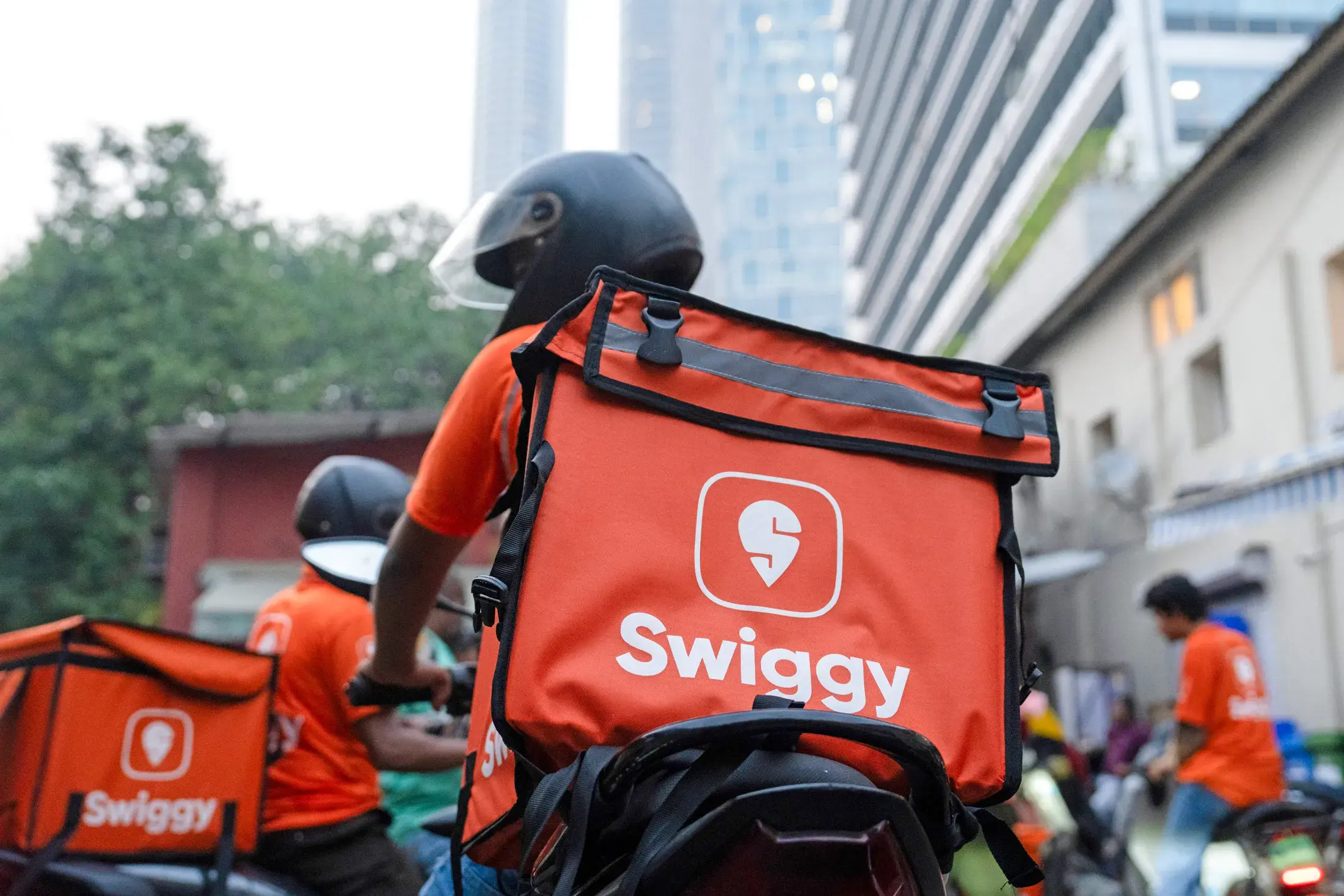
Swiggy cut prediction latency from 144ms to 71ms while reducing token consumption 22%. Specialized models tuned from an open-weight base run on up to 80% fewer tokens than foundry models.

Questions

Related questions.

How do you compare two models on the same basis?

Run both against the same evaluations on the same traffic. A candidate shadows live requests without serving them, so both figures come from the same work.

What if the evaluations are wrong?

The cost figure inherits the error. A grade is only as good as the criterion behind it, and a vague criterion produces a number that cannot be trusted in either direction.

Does this apply to anything other than model choice?

Cost per verified task prices any change that moves quality and spend together. A prompt change, a routing policy, a compaction setting and a new tool are all measured on the outcomes that passed.

Where do the cost figures come from?

Token tracking and cost reporting across teams and projects are built into the platform. The figures come from the runtime that made the calls, so no ingestion-priced tool is added to collect them.

On Akka. Cost per verified task, token tracking, and candidate promotion are described on the efficiency page and delivered by Akka Optimize. Customer figures. Swiggy results are reported by the customer.