Akka vs. Orkes (Conductor)

A comparison for teams building agentic AI
June 2026
Orkes Conductor orchestrates your agents; Akka runs your whole agentic system — and guarantees it. Orkes Conductor is a durable workflow and agent-orchestration engine from the Netflix Conductor lineage — proven, event-driven, and one layer. It coordinates steps and tools well, but you bring the agents, durable memory, streaming, governance, and the application platform around it. Akka delivers them as one platform, at higher guarantees.
99.99%
Orkes SLA (up to)
99.9999%
Akka SLA
4ms
Akka State Reads
5B
Tokens / Sec Benchmark
DimensionOrkes (Conductor)Akka
What it isA durable workflow / agent-orchestration engine (managed Netflix Conductor)A full-stack agentic systems platform
ScopeOrchestration core; agents, durable memory, streaming, and AI governance are sourced, integrated, and operated by the customerOrchestration, agents, memory, streaming, APIs, observability, and governance on one runtime
Availability SLAUp to 99.99% (multi-region clusters); 99.9% on managed clusters99.9999% — entire platform, backed by indemnities
RTO / RPONot published as a numeric guaranteeSub-1-minute RTO; zero-byte RPO; active-active HA/DR
AI agentsAgents implemented as durable workflows; Agentspan OSS agent runtime, MCP/API Gateway, multi-LLM orchestrationNative agents with tools, handoffs, guardrails, interaction logging
MemoryNone native — integrates external vector databasesDurable in-memory, 4ms reads / sub-10ms writes
State / durabilityExternal datastores (Redis default + Elasticsearch; pluggable Postgres/MySQL/Cassandra), customer-operatedDurable sharded in-memory state, replayable from its event journal
Real-time streamingChange-data-capture events to external brokers (Kafka, SQS, Pub/Sub); worker-polling task queuesBuilt in, backpressured, petabyte-scale, no external broker
Governance / EU AI ActRBAC, audit logs, secrets — security/ops controls; no AI-policy enforcement, explainability, or classificationAspect-woven runtime enforcement + full pre-production governance
Cost modelManaged-cluster / consumption pricing + separate infra for everything around itShared compute; up to 90% lower infrastructure for the same workload
CertificationsSOC 2 Type II; HIPAA via isolated deployment19 standards (SOC 2 II + public SOC 3, ISO 27001/42001, HIPAA, PCI DSS, GDPR, NIS2, DORA, EU AI Act, NIST AI RMF)

Orchestration Is One Layer; Akka Is the Full Stack

Orkes Conductor solves durable orchestration of long-running workflows and agents, and it solves it well — that is its heritage from Netflix Conductor. But an agentic AI system needs far more than orchestration, and Orkes leaves the rest to you. In Conductor, an AI agent is implemented as a workflow that calls an LLM to decide its next step; the agents, durable memory, streaming tier, and AI-governance stack are integrated and operated around the orchestration core, and you own every failure across those seams.

CapabilityOrkes (Conductor)Akka
Workflow / agent orchestrationYes — durable, provenYes
Native AI agents (tools, handoffs, streaming)Agents are workflows; Agentspan + MCP GatewayBuilt in
Durable memoryNone native — external vector DBBuilt in, 4ms / sub-10ms
Real-time streamingCDC to external brokers; no streaming engineBuilt in, backpressured, petabyte-scale
HTTP / gRPC API layerGateway exposes workflows as endpointsBuilt in
Governance / policy enforcementRBAC, audit logs — no AI-policy enforcementInline, runtime-embedded
Pre-production governanceNoneClassification, sign-offs, sealed posture

Availability and Disaster Recovery

Orkes Cloud publishes an availability SLA of up to 99.99% on multi-region clusters (99.9% on managed clusters), with service credits on confirmed breaches. That is real. Two gaps matter for mission-critical agentic systems: the SLA covers the orchestration platform, and Orkes does not publish a numeric RTO/RPO guarantee. State lives in external datastores (Redis by default, Elasticsearch for indexing, pluggable Postgres/MySQL/Cassandra) that the customer provisions and operates, each under its own availability terms.

MetricOrkes (Conductor)Akka
Availability SLAUp to 99.99% (multi-region); 99.9% managed clusters99.9999%
Allowed downtime / year~52 minutes (99.99%)~31 seconds
RTONot published as a numeric guaranteeSub-1 minute
RPONot published as a numeric guaranteeZero byte
SLA scopeThe orchestration platformThe entire platform

Orkes's SLA covers the orchestration platform. The memory, streaming, and governance services a customer integrates operate under their own SLAs — or none.

Up to 90% Cheaper to Operate

AI systems built with Akka are up to 90% cheaper to operate than Python-based systems — a function of the infrastructure required for the same agentic transaction volume, not list price. With Orkes you run the orchestration engine plus the separate datastores, brokers, memory layer, and governance tooling around it, and you provision and operate each.

Akka runs all of it on one shared-compute runtime. The efficiency comes from actor concurrency (~10T tokens/core/year vs ~2T; ~80% less compute than Python frameworks; Manulife: up to 300% more concurrency, 30–50% faster processing after porting from Python), shared compute, and micro-checkpointing. The spend is predictable — a fixed annual fee, not consumption that moves with load.

The Memory and State Gap

Conductor keeps execution state in external datastores — Redis by default, Elasticsearch for indexing, with Postgres/MySQL/Cassandra as pluggable backends — which the customer provisions, scales, and operates. There is no native durable agent-memory layer; long-term agent memory means wiring an external vector database.

Akka provides durable sharded in-memory state as a platform primitive: 4ms reads / sub-10ms writes, petabyte-scale, replayable from its event journal, with no external store to run. Agent memory is built in, not bolted on.

Governance and the EU AI Act

Orkes provides SOC 2 Type II and HIPAA (via isolated-cloud deployment), plus role-based access control, secret management, and audit logs — infrastructure-security and operational controls. It publishes no AI-governance capability: no real-time AI-policy enforcement, no decision explainability, no human pause/override of a running agent as a platform primitive, no immutable interaction ledger, no pre-deployment classification, and no sealed audit artifact.

The penalties are enforceable now

ViolationMaximum Fine
Prohibited AI practices (Art. 5)EUR 35M or 7% global turnover
High-risk obligations (Art. 9-15)EUR 15M or 3% global turnover

High-risk AI carries a 10-year logging-retention obligation (Art. 72).

How Akka governs

At the runtime: inline guardrails, policies, LLMs-as-a-judge, and sanitizers; hash-chained immutable evidence; HITL/HOTL control; classification against 189 regulations and 962 controls before a system ships; multi-persona sign-offs; a sealed Governance Posture Package; and Akka Verify proving conformance from the running system. Governance Orkes would have to bolt on, Akka enforces inline.

Two Lifecycles, One Certified System

Building on Orkes means engineers defining and operating durable workflows; there is no built-in governance lifecycle and no path for a product manager, domain expert, or risk officer to contribute a governed contract. Akka runs two independent lifecycles on one platform via Akka Specify:

Build lifecycle
Functional contract
"Rank incoming ER patients by acuity and route the top three to a clinician."
Product · developers · ML engineers · domain experts
v1.4 · versioned · tested
Govern lifecycle
Safeguard contract
"Block prohibited practices under EU AI Act Article 5; notify regulators within 24h of any incident."
Risk · security · compliance
v2.1 · versioned & tested independent of the build
Akka Specify
AI-assisted authoring
generates · tests · runs
One certified AI service
Built, governed, and running
  • Agents, tools, orchestration, memory, APIs, streaming, UI
  • Guardrails, sanitizers, HITL/HOTL, evaluations, halts
  • Interaction, evidence, and causal logging
Akka Verify ↻ validates the running system against both specs and fine-tunes the AI from production data.

The build lifecycle and the governance lifecycle are versioned and tested independently, by different audiences — an audience and a workflow Orkes has no equivalent for.

Real-Time Streaming at Petabyte Scale

Orkes Conductor streams workflow state changes to external brokers via change data capture (Kafka, SQS, Pub/Sub, NATS) and runs on worker-polling task queues; it has no built-in streaming engine, so real-time pipelines and backpressure are provisioned on infrastructure you operate. Akka's streaming is built into the runtime — continuous, backpressured, petabyte-scale, in-memory, with no external broker — powering both agent feedback loops and high-throughput data processing (the engine behind Tubi's real-time hyper-personalization at 5 billion tokens per second).

For the Buyer: Maturity, Risk, and Accountability

Orkes carries a genuine maturity advantage in orchestration: Conductor was open-sourced at Netflix in 2016, has 13,000+ GitHub stars, and runs in production at large enterprises — Orkes maintains the project after Netflix discontinued support in December 2023. Where the lines fall:

Buyer concernOrkes (Conductor)Akka
Orchestration maturityStrong — Netflix lineage, proven OSS, large deploymentsDurable execution substrate; 18 years, 100,000+ deployments
Certifications & auditsSOC 2 Type II; HIPAA via isolated deployment19 standards — SOC 2 II + public SOC 3, ISO 27001/42001, HIPAA, PCI DSS, GDPR, NIS2, DORA, EU AI Act, NIST AI RMF — plus annual pen tests, SBOMs, 40+ policies (trust.akka.io)
Scope of accountabilityThe orchestration platform; you integrate and operate the restOne platform, one SLA, 24/7 SRE — Akka owns the running system
Risk transferService credits on confirmed SLA breachAvailability and data-integrity guarantees backed by contractual indemnities
Funding modelVenture-funded: $60M Series B, April 2026 (AXA Venture Partners); prior $20M Series A (2024); scaling on investor capitalProfitable and self-funding; Dell Technologies Capital is largest shareholder, a customer, and an AI partner
Budget predictabilityConsumption / managed-cluster pricing plus the surrounding stack you operateFixed annual fee finance can forecast

Orkes's orchestration heritage is real and durable — but Akka funds its roadmap and support from profit, not the next round, so the platform you standardize on does not depend on a venture timeline. The decision is scope and accountability: Orkes gives you a proven, event-driven orchestration engine to build a platform around; Akka gives you the platform.

Customers Running Agentic and Real-Time Systems on Akka

Manulife
2,000
developers across 100 projects on one governed platform
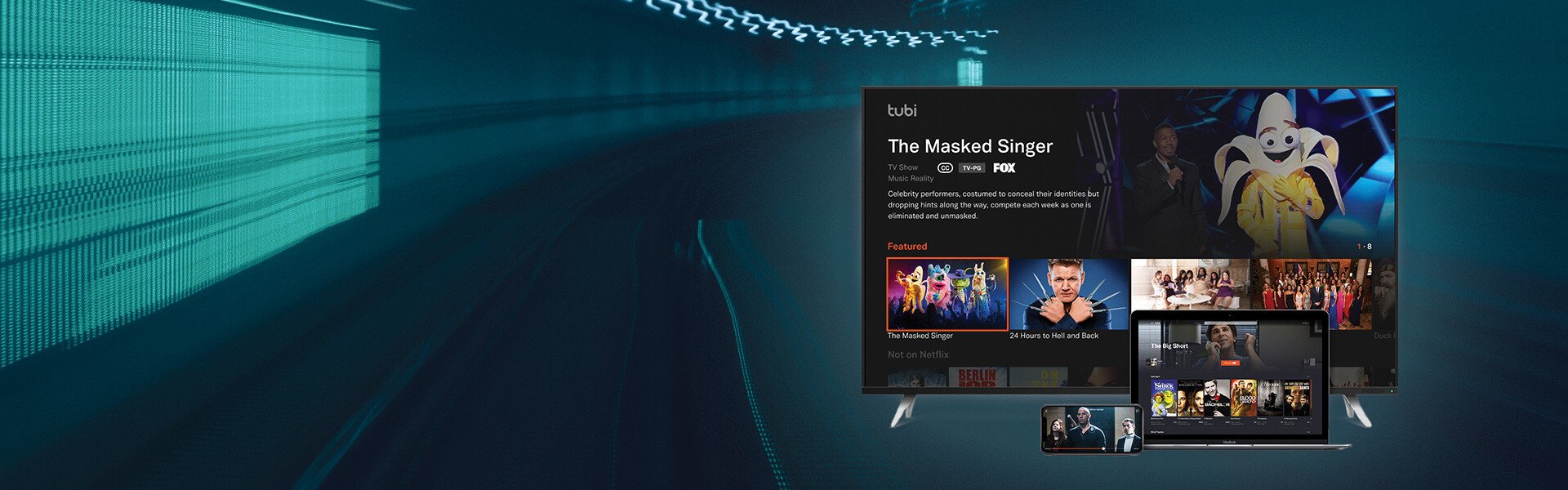
Tubi
5B tok/s
real-time hyper-personalization engine
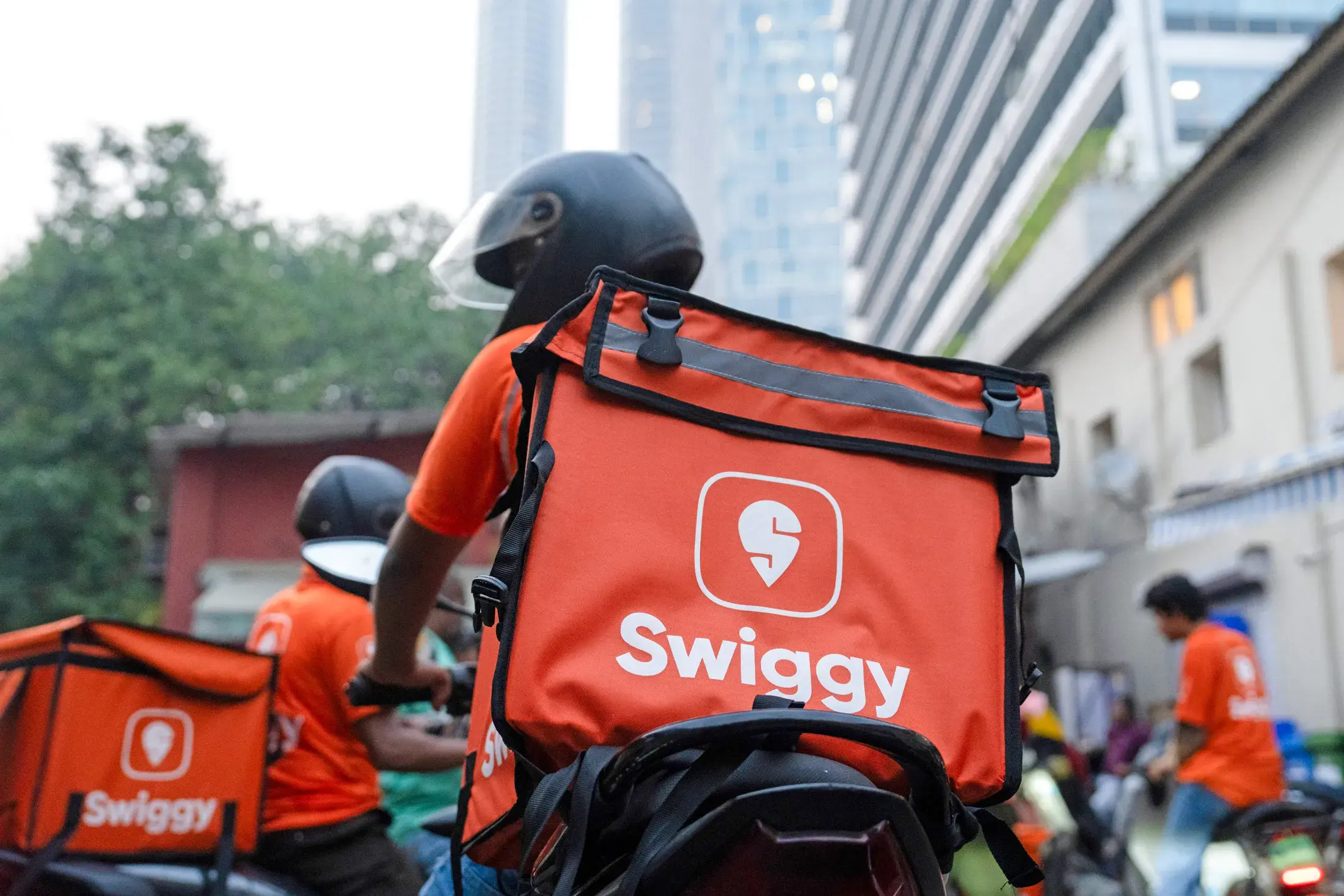
Swiggy
71ms
order-assignment AI, ~50% latency reduction
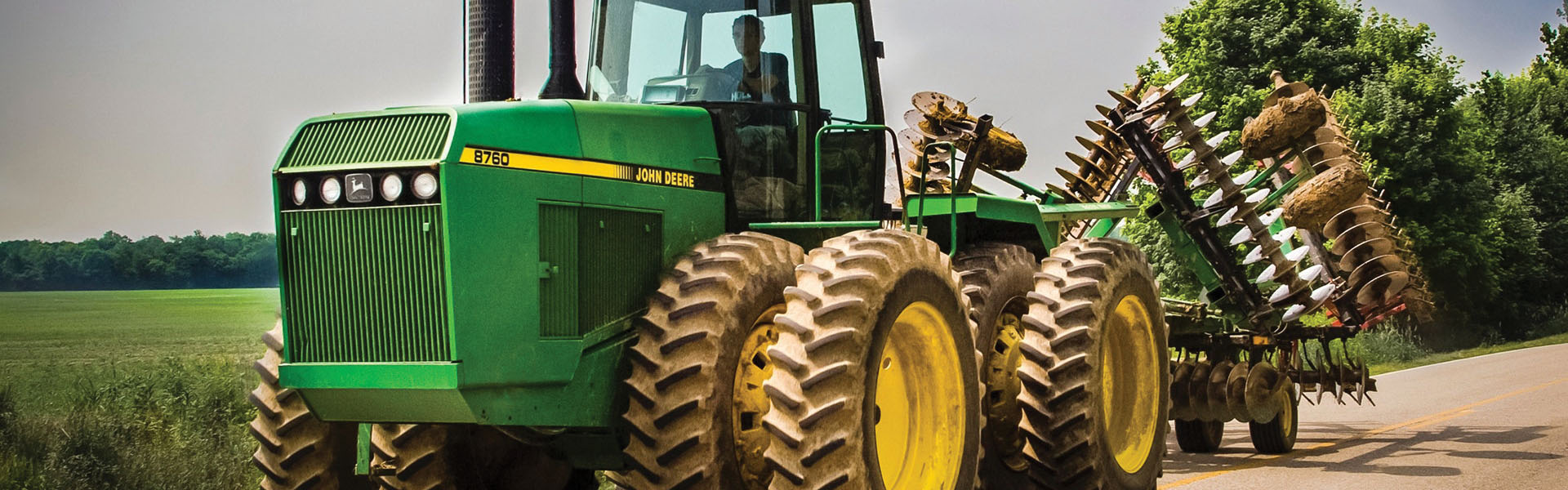
John Deere
1,000+
tractor sensors turned into real-time insight
Verizon
750%
order-processing capacity gain; 6s → 2.4s response

Common Questions

We already run Orkes Conductor in production. Why add Akka?
Orkes is strong for durable orchestration — that is its Netflix Conductor heritage. If you are moving into agentic AI you also need native agents, durable memory, real-time streaming, and runtime governance, which Orkes leaves you to source and operate. Akka can run alongside existing Conductor workflows while you build the agentic layer on one platform.
Orkes added agents, Agentspan, and an MCP gateway. Doesn't that make it an agentic platform?
Those are real additions, but in Orkes an agent is a durable workflow that calls an LLM, with tools exposed through the gateway. The durable memory, streaming, governance, and application runtime around it are still yours to assemble. Akka is built for agentic AI end to end — native agents, built-in memory, embedded governance, and a full-stack runtime.
Can we add governance on top of Orkes?
You can add log-analysis and access controls, but the EU AI Act expects enforcement inline to the runtime: immutable records witnessed as they happen, human override on running processes, and authorization captured at execution time. RBAC and audit logs do not gate a deployment or classify a system before it ships. Akka embeds all of this and covers pre-deployment governance.
Orkes raised $60M and is built on proven Netflix technology. Isn't that lower risk?
Conductor's orchestration maturity is real and an advantage in that layer. But strong funding and a proven orchestration core do not add the missing agentic layers, and Orkes is scaling on investor capital toward profitability. Akka funds its roadmap from profit, owns one SLA across the whole system, and backs it with indemnities.

Sources

Orkes Series B: $60M Series B, April 23, 2026, led by AXA Venture Partners (businesswire.com/news/home/20260423550324; finsmes.com; thesaasnews.com); prior $20M Series A (2024), $9.3M seed (2022)
Netflix lineage: orkes.io/what-is-conductor; techcrunch.com/2023/12/13/orkes-forks-conductor — Conductor open-sourced at Netflix 2016; Orkes founded 2021 by Conductor creators; Netflix dropped support Dec 2023, Orkes maintains the fork
Orkes Cloud SLA: orkes.io/cloud-service-level-agreement; orkes.io/cloud — up to 99.99% (multi-region); 99.9% managed clusters; service credits on confirmed breach
Orkes AI / agents: orkes.io/content/ai-orchestration; orkes.io/content/developer-guides/mcp-api-gateway; playground.orkes.io/agentspan — agentic workflows, Agentspan runtime, MCP/API Gateway, multi-LLM, vector DB integration, HITL approvals
Orkes persistence / streaming: github.com/orkes-io/conductor-oss; orkes.io/content/conductor-architecture — Redis default + Elasticsearch; pluggable Postgres/MySQL/Cassandra; CDC events to Kafka/SQS/Pub-Sub/NATS; worker-polling task queues
Orkes security: orkes.io/blog/orkes-is-now-soc-2-type-2-compliant; orkes.io/security — SOC 2 Type II; HIPAA via isolated deployment; RBAC, audit logs, secrets
Akka trust center: trust.akka.io — 19 compliance standards; SOC 2 II + public SOC 3; annual pen tests, SBOMs, 40+ policies
Akka performance: akka.io/blog/go-slow-to-go-fast — Manulife up to 300% more concurrency, 30–50% faster; ~10T vs ~2T tokens/core; ~80% less compute than Python
Akka platform: 99.9999% availability, active-active HA/DR, sub-1 min RTO, zero byte RPO (contractual indemnities); 189 regulations / 962 controls / 574 with financial penalty; 100,000+ deployments / 18 years; profitable; Dell Technologies Capital