Akka vs. CrewAI

A comparison for teams building agentic AI
June 2026
CrewAI gets you to a multi-agent demo fast; with Akka the production system is owned by the platform, not by you. CrewAI is an ergonomic Python framework for prototyping role-based crews and event-driven flows. It does not provide a durable execution runtime, active-active HA/DR, a numeric availability SLA, or embedded governance — those you build, integrate, and operate yourself. Akka delivers them as one runtime, under contract.
None
CrewAI Published SLA
99.9999%
Akka SLA
4ms
Akka State Reads
5B
Tokens / Sec Benchmark
DimensionCrewAIAkka
What it isA Python multi-agent framework (Crews + Flows), plus the AMP control planeA full-stack agentic systems platform
ScopeAgent authoring and orchestration; durable runtime, HA/DR, streaming, and governance are sourced, integrated, and operated by the customerOrchestration, agents, memory, streaming, APIs, observability, and governance on one runtime
Durable execution@persist() saves flow state; crash recovery is not built in — failures detected and replayed manually; the inner agent loop is not persistedEvent-sourced durable state; runtime handles recovery automatically
Availability SLANone published99.9999% — entire platform, backed by indemnities
HA / DRNo published active-active or RTO/RPO postureActive-active across regions; sub-1-minute RTO, zero-byte RPO
State / memoryConfigurable memory; flow state persisted to a configured backendDurable in-memory, 4ms reads / sub-10ms writes, PB cache, replayable
Real-time streamingNot part of the frameworkBuilt into the runtime — backpressured, petabyte-scale, no external broker
Governance / EU AI ActGuardrails, tracing, audit logging; no inline EU AI Act enforcement, classification, or sealed artifactAspect-woven runtime enforcement + full pre-production governance
Cost modelExecution-metered (Enterprise: up to 30,000/mo, then $0.50 each) + separate infra for the restShared compute; up to 90% lower infrastructure for the same workload
CertificationsSOC 2, HIPAA, GDPR19 standards (SOC 2 II + public SOC 3, ISO 27001/42001, HIPAA, PCI DSS, GDPR, NIS2, DORA, EU AI Act, NIST AI RMF)

CrewAI Is a Framework; Akka Is a Platform

CrewAI is a Python framework for building multi-agent systems — Crews of role-based autonomous agents and event-driven Flows — built from scratch, independent of LangChain. It is fast and ergonomic to a working multi-agent demo, and that is its genuine strength. Production is a different problem: with CrewAI, the durable runtime, high availability, streaming, and governance around the agents are sourced, integrated, and operated by the customer.

CrewAI Enterprise / AMP (the Agent Management Platform) adds a control plane on top — a visual editor, an AI copilot, deployment to managed cloud or a private VPC, RBAC, SSO, tracing, and task guardrails. AMP makes the framework easier to operate. It does not change what the framework is: an agent-authoring layer, not a guaranteed runtime.

CapabilityCrewAIAkka
Multi-agent authoring (crews, roles, flows)YesYes
Durable execution runtimeManual (@persist() + manual replay)Built in, automatic
Active-active HA / DRNo published postureBuilt in
Durable memoryConfigurable, backend-dependentBuilt in, 4ms / sub-10ms
Real-time streamingNot in the frameworkBuilt in, backpressured, petabyte-scale
Governance / policy enforcementGuardrails + tracing onlyInline, runtime-embedded
Pre-production governanceNoneClassification, sign-offs, sealed posture

Reliability: Durable Execution, Availability, and Disaster Recovery

CrewAI does not publish a numeric availability SLA, an active-active HA/DR posture, or RTO/RPO targets. Durability is partial and manual: the @persist() decorator saves flow state at chosen points, but crash recovery is not built in — the team detects the failure and triggers the replay themselves, and the autonomous agent reasoning loop is not persisted, so a crash inside it cannot be resumed. Diagrid sells a Dapr-based product specifically to add "true durable execution" to CrewAI, which confirms the gap from the ecosystem's own side.

MetricCrewAIAkka
Availability SLANone published99.9999%
Allowed downtime / yearNot specified~31 seconds
Crash recoveryManual detect + manual replay; inner loop not persistedAutomatic, runtime-handled
RTONo published targetSub-1 minute
RPONo published targetZero byte
HA / DRNo published active-active postureActive-active across regions
SLA scopeThe customer owns application availabilityThe entire platform

Akka's reliability is structural: actor-based concurrency and clustering, durable sharded in-memory state replayable from its event journal, and brokerless backpressured streaming with a 1-minute RTO and 0-byte RPO. The platform owns the SLA, with 24/7 SRE and contractual indemnities.

Up to 90% Cheaper to Operate

AI systems built with Akka are up to 90% cheaper to operate than Python-based systems — a function of the infrastructure required for the same agentic transaction volume, not list price. The drivers are actor concurrency, shared compute, and micro-checkpointing: Akka processes ~10 trillion tokens per core per year versus ~2 trillion for comparable solutions, using ~80% less compute than Python-based frameworks. Manulife reported up to 300% more concurrency and 30–50% faster processing after porting from Python.

The Execution Meter

CrewAI is a Python framework billed by execution — the Enterprise tier includes up to 30,000 executions per month, with additional executions at $0.50 each — and that meter covers agent runs only. The durable runtime, HA/DR, streaming, observability, and governance are separate infrastructure the customer provisions and pays for. Akka runs all of it on one shared-compute runtime for a fixed annual fee finance can forecast, rather than per-execution metering that moves with load.

Governance and the EU AI Act

CrewAI provides task guardrails, tracing, audit logging, and RBAC, and holds SOC 2, HIPAA, and GDPR — security and operational controls. It does not provide inline EU AI Act enforcement: no real-time policy enforcement woven into the runtime, no decision explainability, no human pause/override of a running process, no hash-chained immutable interaction ledger, no pre-deployment classification, and no sealed audit artifact. Comprehensive EU AI Act conformance on CrewAI requires integrating a separate governance platform.

The penalties are enforceable now

ViolationMaximum Fine
Prohibited AI practices (Art. 5)EUR 35M or 7% global turnover
High-risk obligations (Art. 9-15)EUR 15M or 3% global turnover
Incorrect information to authoritiesEUR 7.5M or 1.5% global turnover

High-risk AI carries a 10-year logging-retention obligation (Art. 72).

How Akka governs

At the runtime: inline guardrails, policies, LLMs-as-a-judge, and sanitizers; hash-chained immutable evidence; HITL/HOTL control; atomic PII scrub-with-explain; classification against 189 regulations and 962 controls — 574 carrying a financial penalty — before a system ships; multi-persona sign-offs; a sealed Governance Posture Package; and Akka Verify proving conformance from the running system. Governance CrewAI leaves to a bolt-on, Akka enforces inline.

Two Lifecycles, One Certified System

Building on CrewAI means engineers writing Python crews and flows; there is no built-in path for a risk officer or compliance owner to author and version a governance contract independently of the application, and no governance lifecycle in the framework. Akka runs two independent lifecycles on one platform via Akka Specify:

Build lifecycle
Functional contract
"Rank incoming ER patients by acuity and route the top three to a clinician."
Product · developers · ML engineers · domain experts
v1.4 · versioned · tested
Govern lifecycle
Safeguard contract
"Block prohibited practices under EU AI Act Article 5; notify regulators within 24h of any incident."
Risk · security · compliance
v2.1 · versioned & tested independent of the build
Akka Specify
AI-assisted authoring
generates · tests · runs
One certified AI service
Built, governed, and running
  • Agents, tools, orchestration, memory, APIs, streaming, UI
  • Guardrails, sanitizers, HITL/HOTL, evaluations, halts
  • Interaction, evidence, and causal logging
Akka Verify ↻ validates the running system against both specs and fine-tunes the AI from production data.

The build lifecycle and the governance lifecycle are versioned and tested independently, by different audiences — an audience and a workflow CrewAI has no equivalent for.

Real-Time Streaming at Petabyte Scale

CrewAI has no streaming engine; real-time pipelines are provisioned separately. Akka's streaming is built into the runtime — continuous, backpressured, petabyte-scale, in-memory, with no external broker — powering both agent feedback loops and high-throughput data processing (the engine behind Tubi's real-time hyper-personalization at 5 billion tokens per second).

For the Buyer: Risk, Compliance, and Accountability

Buyer concernCrewAIAkka
Certifications & auditsSOC 2, HIPAA, GDPR19 standards — SOC 2 II + public SOC 3, ISO 27001/42001, HIPAA, PCI DSS, GDPR, NIS2, DORA, EU AI Act, NIST AI RMF — plus annual pen tests, SBOMs, 40+ policies (trust.akka.io)
Scope of accountabilityAgent framework + control plane; you integrate and operate the durable runtime, HA/DR, and governanceOne platform, one SLA, 24/7 SRE — Akka owns the running system
Availability commitmentNo published numeric SLA99.9999%, backed by contractual indemnities
Risk transferStandard cloud termsAvailability and data-integrity guarantees backed by contractual indemnities
Track record & funding modelVenture-funded: $18M total, Series A led by Insight Partners (Oct 2024); used across many Fortune 500 firmsProfitable and self-funding; 18 years and 100,000+ deployments (52 banks); Dell Technologies Capital is largest shareholder, a customer, and an AI partner
Budget predictabilityPer-execution metering that scales with loadFixed annual fee finance can forecast

CrewAI has real enterprise traction — it reports use across a large share of the Fortune 500 and hundreds of millions of agent executions a month. The decision is not whether CrewAI works for prototyping; it is who owns production. With CrewAI the customer owns the durable runtime, the availability target, the DR plan, and the governance stack. With Akka the platform owns them, under contract.

Customers Running Agentic and Real-Time Systems on Akka

Manulife
2,000
developers across 100 projects on one governed platform
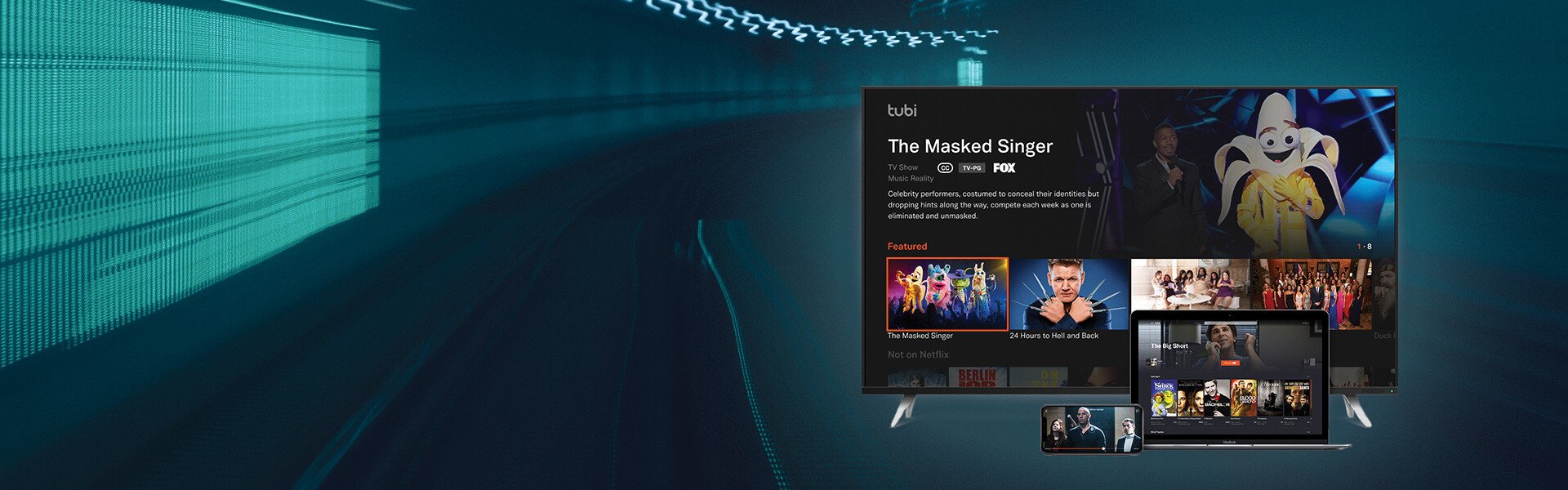
Tubi
5B tok/s
real-time hyper-personalization engine
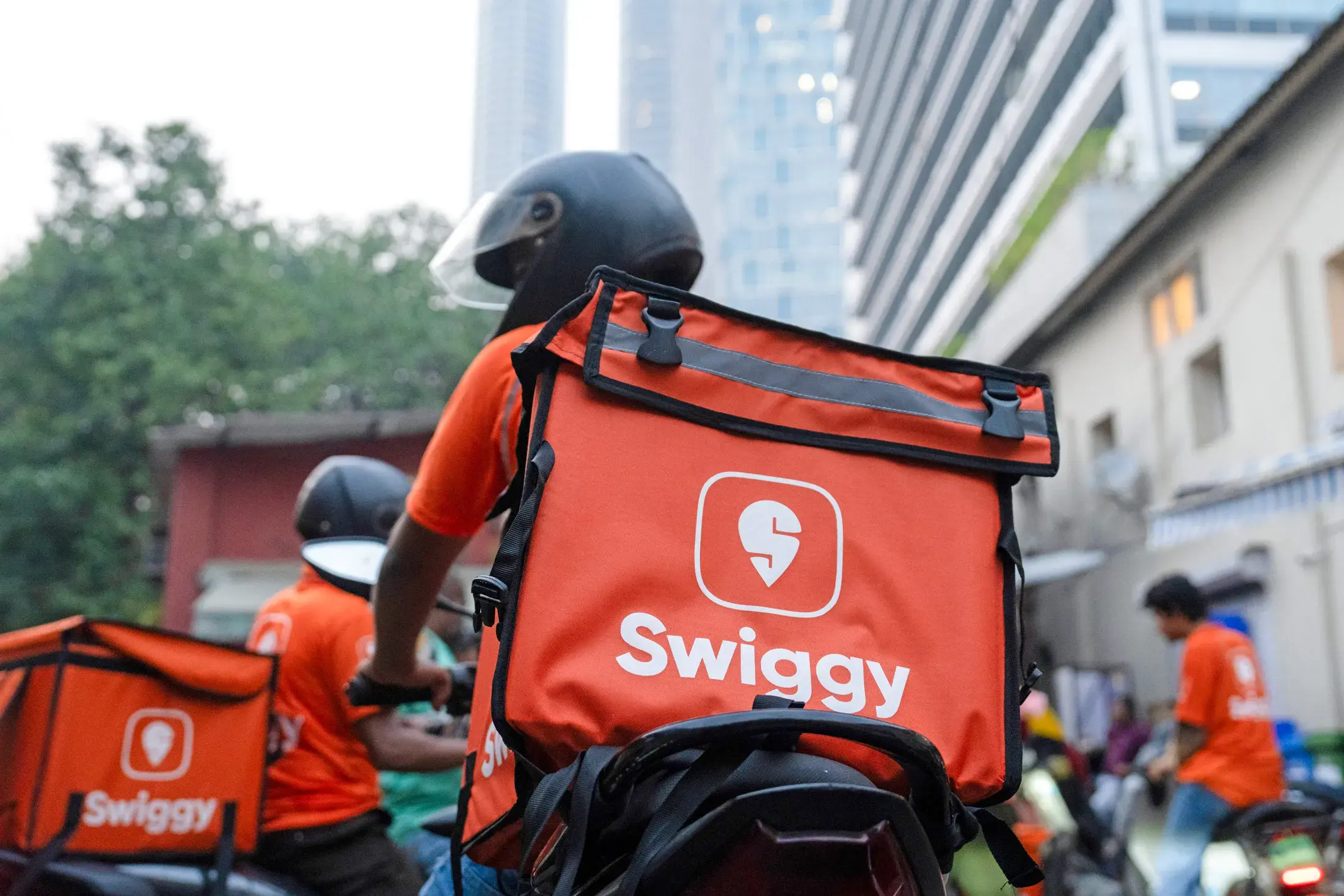
Swiggy
71ms
order-assignment AI, ~50% latency reduction
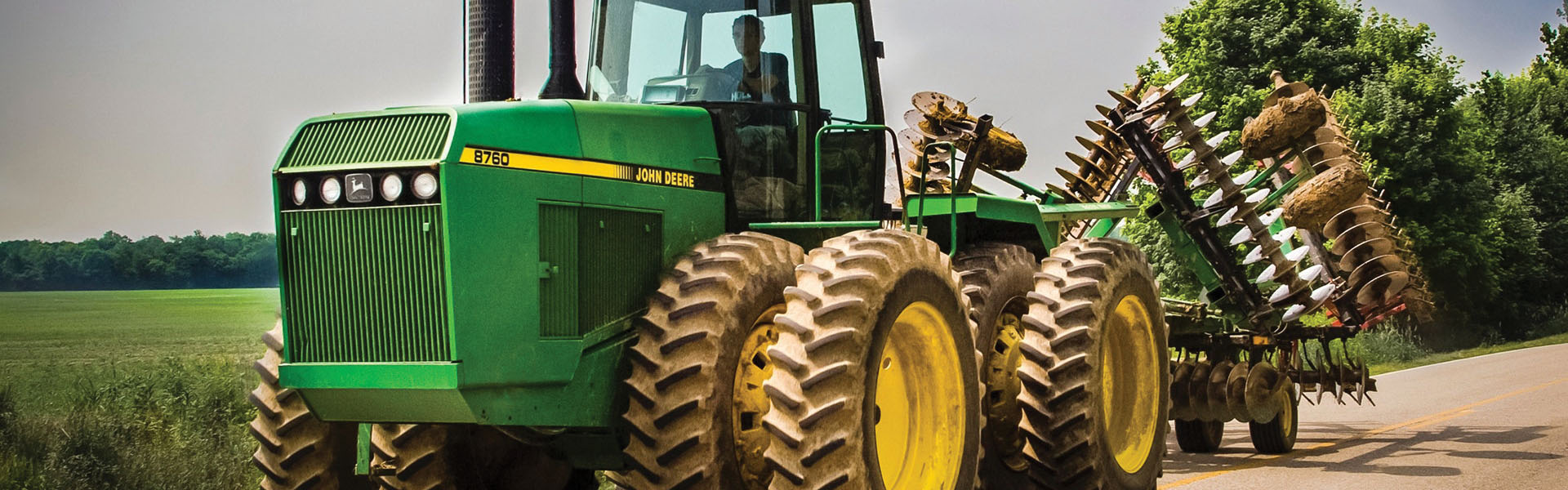
John Deere
1,000+
tractor sensors turned into real-time insight
Verizon
750%
order-processing capacity gain; 6s → 2.4s response

Common Questions

We already prototype with CrewAI. Why move to Akka?
CrewAI is good for getting a multi-agent system working quickly. The gap appears in production: durable execution is manual, there is no published availability SLA or active-active HA/DR, and EU AI Act governance is not enforced in the runtime. Akka provides all of that as one platform, so you do not assemble and operate it yourself. You can keep prototyping in CrewAI and standardize production on Akka.
Doesn't CrewAI's @persist() give us durable execution?
@persist() saves flow state to a configured backend, but crash recovery is not automatic — your team detects the failure and triggers the replay, and the agent's inner reasoning loop is not persisted, so a crash there cannot be resumed. Third parties such as Diagrid sell durable-execution add-ons specifically to fill this gap. Akka's runtime recovers automatically from an event journal with a sub-1-minute RTO and zero-byte RPO.
Can we add governance on top of CrewAI?
You can add guardrails, tracing, and audit logging, and integrate a separate governance platform. But the EU AI Act expects enforcement inline to the runtime: immutable records witnessed as they happen, human override of running processes, pre-deployment classification, and a sealed audit artifact. Bolt-on tools observe after the fact and cannot gate a deployment. Akka embeds all of this and covers pre-deployment governance.
Is CrewAI cheaper because the framework is open source?
The core framework is open source, but production CrewAI means CrewAI Enterprise / AMP (execution-metered) or self-hosting — where you build and operate the durable runtime, HA/DR, streaming, observability, and governance yourself. Akka's shared-compute model is up to 90% cheaper to operate than the equivalent assembled stack, on a fixed annual fee.

Sources

CrewAI OSS framework: github.com/crewAIInc/crewAI — Python framework for role-based crews and event-driven flows, built from scratch, independent of LangChain
CrewAI AMP / Enterprise: docs.crewai.com/en/enterprise/introduction — control plane: visual editor, AI copilot, cloud or private VPC deploy, RBAC, SSO (Entra/Okta), tracing, task guardrails
CrewAI durable-execution gap: speakeasy.com/blog/ai-agent-framework-comparison; diagrid.io/solutions/crewai-production — @persist() saves flow state; crash recovery not built in; manual detect + replay; inner loop not persisted; Diagrid adds true durable execution via Dapr
CrewAI compliance: github.com/crewAIInc/crewAI/discussions/2404 — SOC 2, HIPAA, GDPR, RBAC, audit logging (no published availability SLA, active-active HA/DR, or EU AI Act enforcement found)
CrewAI pricing: techjacksolutions.com/ai-tools/crewai/crewai-pricing; toolworthy.ai/tool/crewai — execution-metered; Enterprise up to 30,000 executions/mo, additional at $0.50 each
CrewAI funding & traction: siliconangle.com/2024/10/22; insightpartners.com — $18M total, Series A led by Insight Partners, Oct 2024; used across a large share of the Fortune 500; ~450M agents/month (Jan 2026)
Akka trust center: trust.akka.io — 19 compliance standards; SOC 2 II + public SOC 3; annual pen tests, SBOMs, 40+ policies
Akka performance: akka.io/blog/go-slow-to-go-fast — Manulife up to 300% more concurrency, 30–50% faster; ~10T vs ~2T tokens/core; ~80% less compute than Python
Akka platform: 99.9999% availability, active-active HA/DR, sub-1 min RTO, zero byte RPO (contractual indemnities); 189 regulations / 962 controls / 574 carrying a financial penalty; 100,000+ deployments / 18 years; profitable; Dell Technologies Capital